Exploring History Beneath the Waves: The I-124 Japanese Submarine Archaeological Survey
We’re thrilled to announce the successful completion of the first archaeological survey—and the first dives in over 38 years—of the I-124 Japanese submarine. This significant milestone was undertaken for the Northern Territory Government’s Department of Territory Families, Housing and Communities. This project is a testament to the power of collaboration, innovation, and the dedication of our incredible team and supporters.
Unearthing the History of the I-124 Submarine
During World War II, the seas north of Australia were a battleground as Japan and Australia vied for control. The I-124 Japanese submarine played its role in this conflict, laying mines and hunting ships near Darwin Harbour. In January 1942, Australian forces engaged the submarine, sinking it to the ocean floor. Tragically, all 80 submariners aboard perished.
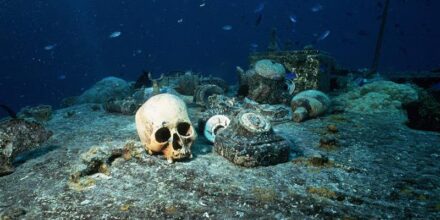
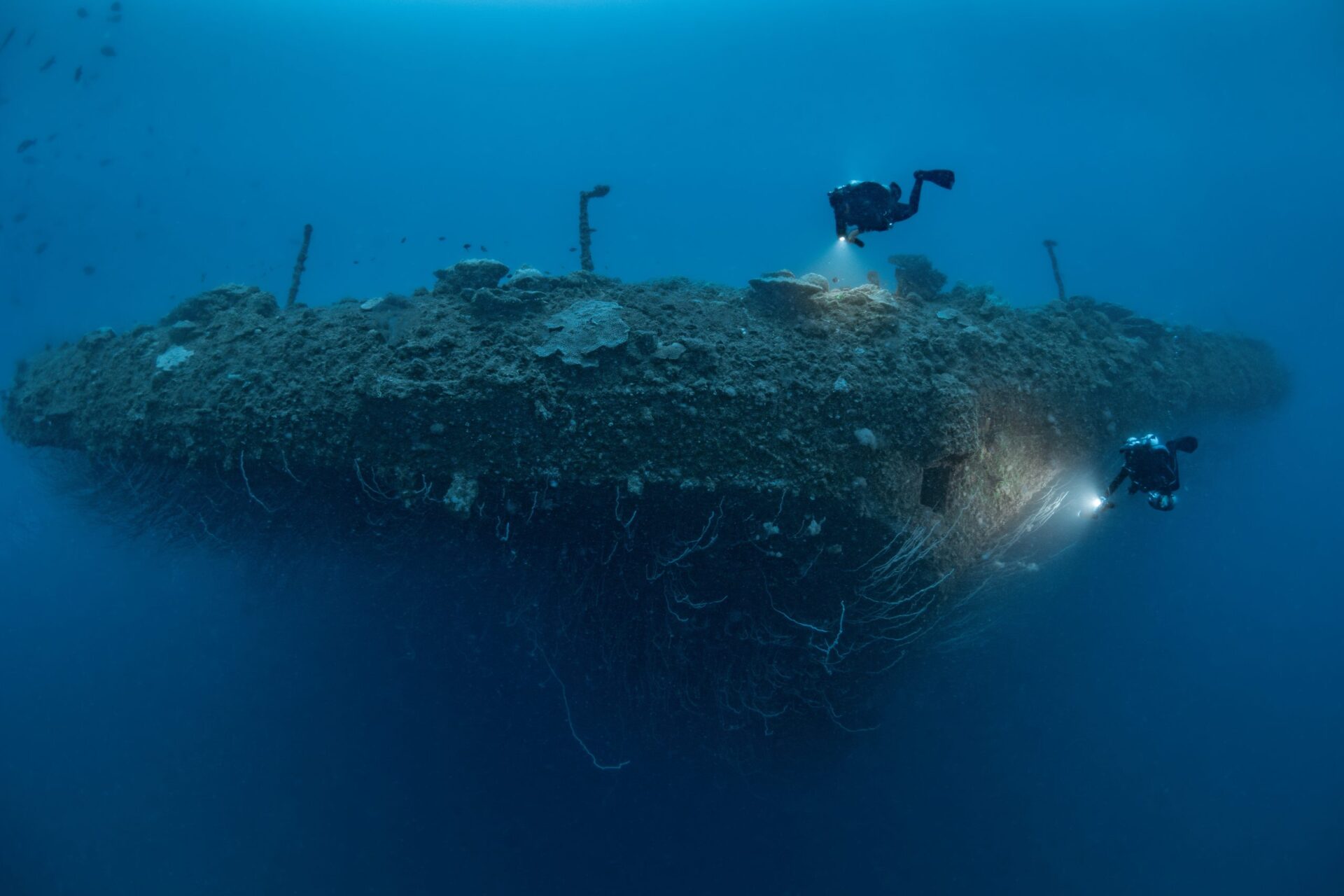
The wreck of the I-124 lies 53 meters below the surface, a poignant reminder of the war and a significant site for both Australian and Japanese heritage. However, the challenging conditions of the Top End—strong tides, murky waters, and the wreck’s depth—have rendered the site virtually inaccessible for decades.
Until now.
A Groundbreaking Diving Expedition
 This ambitious project, led by Dr. David “Doov” Steinberg from the Northern Territory’s Heritage Branch, overcame these challenges using the latest advancements in technical diving and site recording tools. With the generous support of Paspaley Pearls, which provided the project vessel, and cultural guidance from the Australian Japanese Association of the Northern Territory Inc., the team embarked on this historic mission.
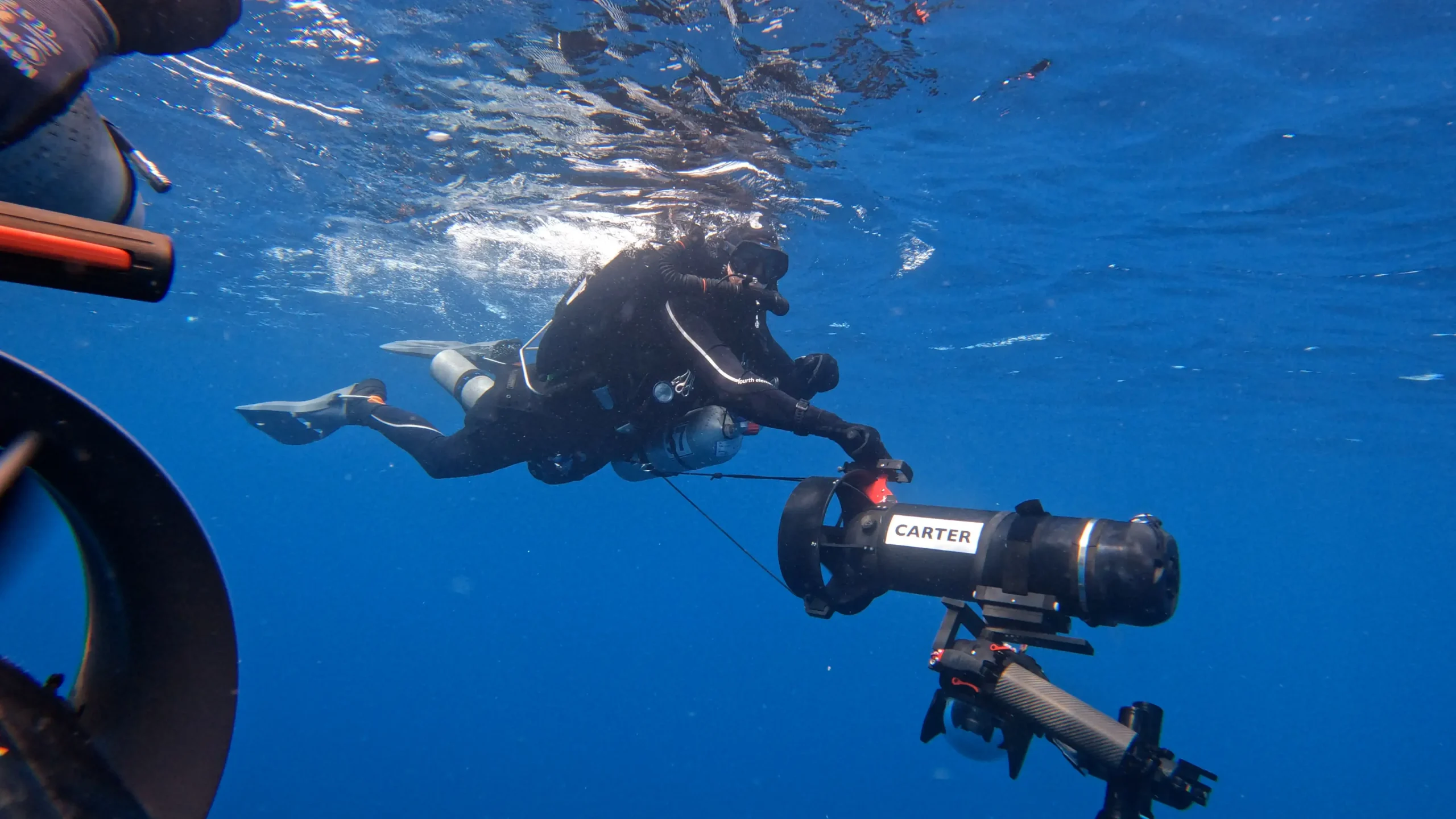
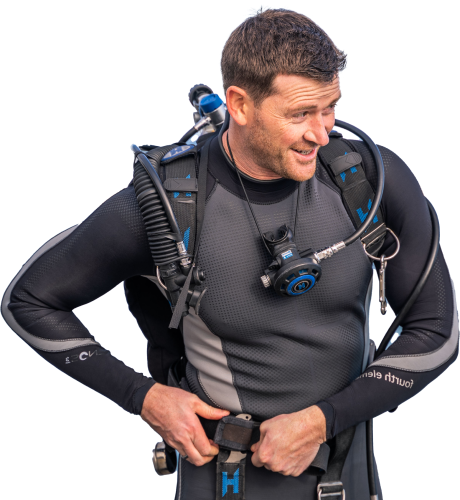
The diving team, led by Dr. Matt Carter, included Dive Safety Officer Lindsay Scott and divers Steve Trewavas, Karl Graddy, Sally Adams, and David Thomas. Their efforts were captured by filmmaker Kasimir Zierl, creating a lasting visual record of this monumental project.
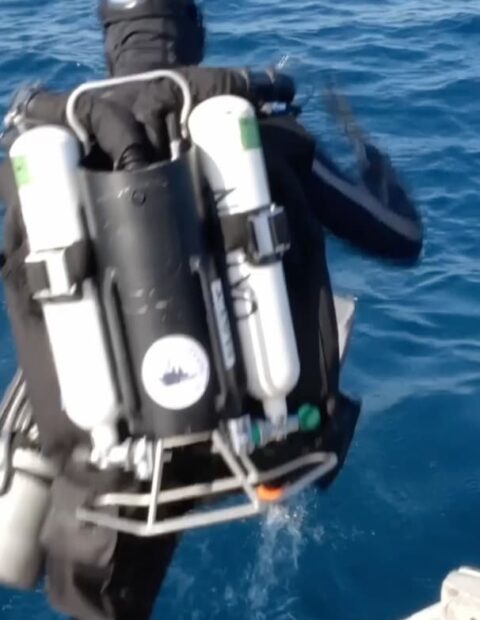
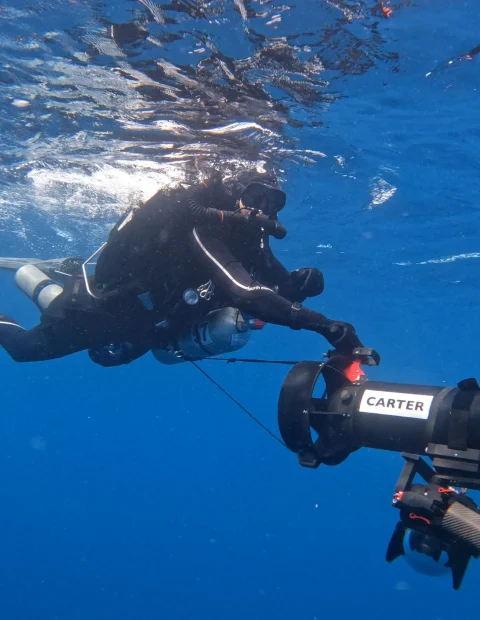
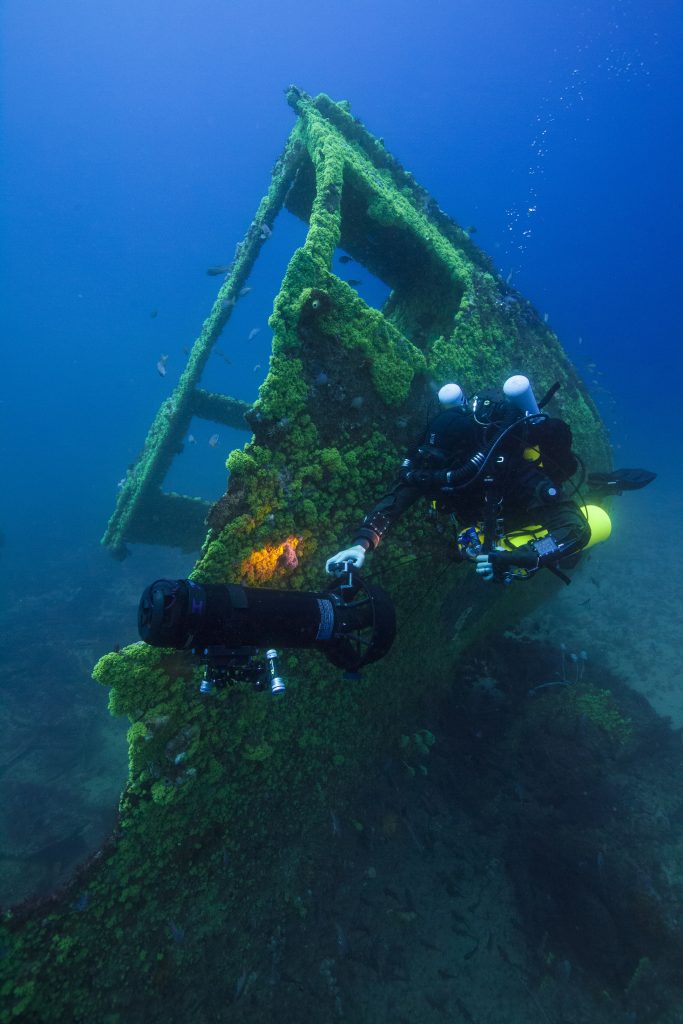
Using cutting-edge equipment—including rebreathers, underwater scooters, and advanced recording tools—the divers meticulously documented the wreck site. These recordings will be used to create detailed 3D models, preserving the I-124’s story for future generations.
A Collaborative Effort
Projects of this scale are only possible with the right people and equipment. We extend our heartfelt thanks to Grant Treloar of the Darwin Sub-Aqua Club for his local knowledge and hard work. Our equipment partners—Fourth Element, Halcyon Dive Systems, Shearwater Research, SUEX – The Submarine Exploration Company, and Seacraft—were instrumental in making this project a success.
Honoring the Past
The survey of the I-124 submarine is more than an archaeological endeavor; it’s a bridge between nations and a tribute to those who lost their lives in the war. By documenting this site, we not only preserve a vital piece of history but also foster a deeper understanding of the shared heritage between Australia and Japan.
We’re immensely proud of this achievement and grateful to everyone who contributed to this historic project. Together, we’ve brought history to the surface—53 meters closer to the world above.
To learn more and see the team in action, watch our project video here.